Vinyl Windows in Carlsbad, CA
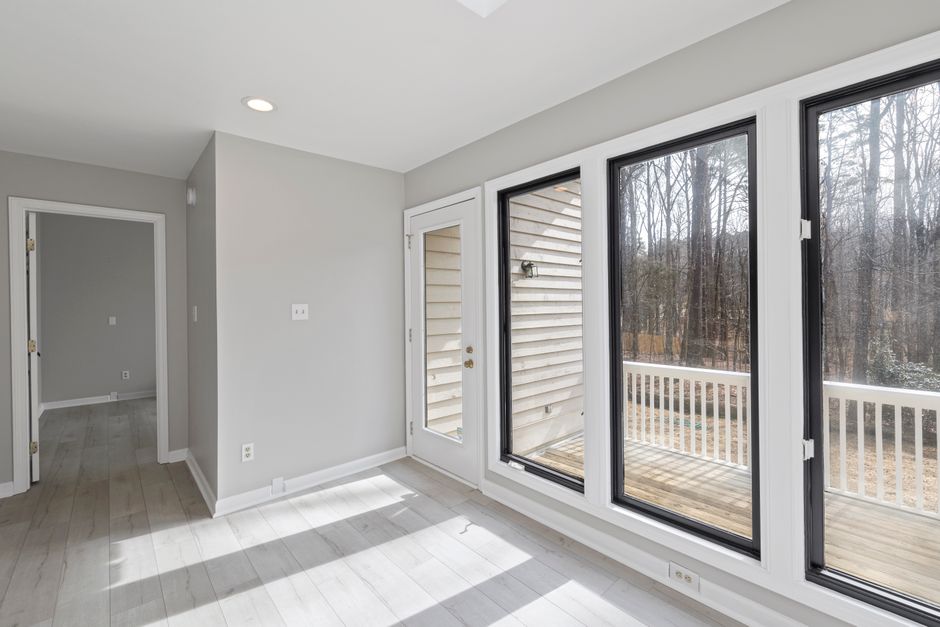
A plain guide to vinyl windows in Carlsbad, CA, covering how coastal air, the marine layer and bright sun affect frames, glass and installation, so homeowners can ask better questions before replacing windows.
What We Cover
- When Is the Best Time to Replace Windows Near the Coast How marine layer mornings, sun, wind and rare rain affect window installation timing for homes near the beach and lagoons.
- How to Evaluate a Window Installer Before Hiring Questions to ask about installation method, flashing, hardware and coastal details so you can compare installers fairly.
- How to Prepare Your Home for Window Replacement What to move, clear and check inside and outside before installers arrive, so the work goes faster and nothing gets damaged.
- What Happens During a Vinyl Window Installation The steps of a replacement window install, and the difference between a retrofit insert and a full frame replacement.
- Which Vinyl Frame Features Hold Up Best in Salt Air How vinyl frames, hardware and finishes behave near the ocean, and which details matter most for homes close to the coast.
- Why Do My Windows Fog Up on Marine Layer Mornings What causes condensation on glass in humid coastal air, when it is normal, and when fogging means a failed window seal.
Vinyl Windows in Carlsbad, CA
Vinyl windows work well along the Carlsbad coast because the material does not rust, rot, or need repainting. What changes from one street to the next is the setting around the frame. A house near Carlsbad State Beach deals with different air than one inland of Interstate 5, and the window choice should follow that.
Across San Diego County's coastal strip, three conditions do most of the work on a window: salt in the air, moisture from the marine layer, and hard afternoon sun.
Salt Air Near the Beach and Lagoons
Salt mainly attacks metal hardware, not the vinyl itself. Homes close to Carlsbad State Beach, Agua Hedionda Lagoon, and Batiquitos Lagoon get salt laden air that settles on locks, hinges, balance mechanisms, screws, and tracks. Pitting and stiff operation show up in those parts first.
Frame material is rarely the weak point. Hardware finish and screw quality decide how a window ages within sight of the water.
Marine Layer, Humidity, and Condensation
Condensation on the glass is the usual result of marine layer mornings. Humid air meets glass that stayed cool overnight, and moisture forms on the surface. Homes from Oceanside through Encinitas see this pattern often.
Fog on the room side of the glass points to indoor humidity and cool glass. Moisture trapped between the panes points to a failed seal. The two problems look alike but have different fixes.
Sun, Heat, and Noise
Strong afternoon sun raises frame temperature, and heat makes vinyl expand. Darker frame colors absorb more heat than light ones, so a dark frame on a west facing wall moves more through the day. Frame design and color should account for that movement.
Homes near Interstate 5 often care about traffic noise. Glass choice can reduce it, and thicker or laminated glass makes the most difference on the side facing the road.
Guides
The guides on this site cover preparing a home for replacement, frame features that hold up in salt air, what happens during installation, the best time of year to replace windows near the coast, why windows fog on marine layer mornings, and how to evaluate an installer before hiring.
Latest Guides
Vinyl Window Screen and Hardware Care in Carlsbad Salt Air
Fresh water, a soft brush and a dry silicone lubricant, used on a schedule, keep screens and hardware working on vinyl windows in Carlsbad. The vinyl frame itself handles salt well. The metal parts attached to it do not: rollers, lock cams, keepers, screws, screen frames and screen door wheels are where salt air does its damage first.
Why Carlsbad Salt Is Harder on Hardware Than It Looks

Carlsbad goes long stretches with little rain, so salt and sand that land on a window in spring are often still there in autumn. Rain does not rinse the salt off on its own, and what it does not wash away simply stays on the metal.
The morning marine layer makes it worse. Fog leaves a damp, salty film on glass, screens and locks, and moisture combined with salt corrodes metal faster than dry salt does. Windows that face the ocean or the prevailing onshore breeze collect the most.
Location matters, but it does not tell the whole story. Homes along Carlsbad Boulevard, in the Village, in Terramar and around the Agua Hedionda and Batiquitos lagoons are the most exposed. Homes in La Costa or Calavera Hills usually see less, but they still get salt air. A better guide than your address is what you see: white residue on the hardware or grit in the tracks means it is time to clean.
What to Use and What to Avoid

Keep the kit simple:
- A garden hose on a gentle setting
- Mild dish soap in warm water
- A soft brush or sponge
- A vacuum with a crevice tool
- Dry silicone spray, or a lubricant the window maker approves
Leave these out entirely:
- Pressure washers. They tear screen mesh, pop splines loose, force water past seals and drive sand deeper into tracks and weep holes.
- Petroleum solvents, acetone, ammonia cleaners and abrasive pads. These can dull, soften or haze vinyl and damage seals and weatherstripping.
- Oily or greasy lubricants, including penetrating oils. They hold onto sand and salt and turn into an abrasive sludge.
Cleaning Routine, Step by Step
1. Vacuum the tracks first
On sliding windows and patio doors, run a crevice tool through the tracks before anything gets wet. Water turns loose sand into a paste that packs into corners and grinds on rollers.
2. Wash the frames, screens and hardware
Wash with the soapy water and a soft brush, then rinse thoroughly with the hose. Any soap left behind becomes a film that holds grit. Work the sash locks open and closed as you go. A stiff lock is an early warning that it needs cleaning and lubrication.
3. Clear the weep holes
At the bottom of the exterior frame are small holes or slots that let water drain from the sill. Clear them with a soft brush, a pipe cleaner or low air pressure. When salt and sand crust over them, water sits in the sill and can spill indoors during one of Carlsbad's occasional heavy rains.
4. Let everything dry
Dry parts completely before lubricating or putting screens back. Trapped moisture under hardware or inside screen channels keeps corrosion going.
5. Lubricate sparingly
Apply dry silicone spray to rollers, lock mechanisms and tracks, then wipe off the excess. A light film is the goal. Anything that drips or looks wet will catch sand.
Screens: Frames, Mesh, Spline and Corners
Screens take the most abuse, and screens on windows that rarely open get the least cleaning.
Frames
A white, chalky powder or bumpy blistering on aluminum screen frames or screen door frames is corrosion. Rinse it off early. Once the frame is pitted, cleaning will not restore it, and a bent or swollen frame may need replacing.
Mesh
Screen mesh is commonly fiberglass, aluminum or stainless steel. Aluminum mesh can corrode and turn brittle in salt air. Fiberglass does not corrode, but it can sag and fade in strong sun. When rescreening near the beach, ask which mesh suits your exposure. A screen will also never keep out all sand and dust, so expect some grit on sills even with sound screens.
Spline
The rubber spline that holds the mesh in the frame dries out and shrinks, especially in full sun. Loose mesh at the edges or corners means the spline needs replacing. A spline roller tool and the correct diameter of spline make this a straightforward repair.
Corner keys, tabs and springs
Check the plastic corner keys and the pull tabs or tension springs. Brittle, cracked corners let screens rack out of square, fall out or gap at the edges, and those gaps let sand and insects in.
Screens you rarely open
Some owners remove screens from windows that stay shut for long stretches, rinse them, let them dry fully and store them indoors. That spares the frames months of salt and fog.
Sliding Screen Doors and Rollers
Sliding screen doors run on small adjustable rollers. If the door drags, scrapes or jumps the track, clean the track first. Then use the adjustment screws at the bottom corners to raise the door evenly.
Replace rollers that are rusted, flat spotted or seized. Forcing a door on bad rollers bends the frame and wears the track.
Locks, Keepers and Weatherstripping
Many sash locks and keepers are die cast metal with a coated finish. Salt pits that coating, and the lock gets stiff or stops lining up with its keeper. Pitted or corroded hardware cannot be polished back to like new, so catching stiffness early matters.
Check the pile weatherstripping on sliders too. Salt crust and sand mat it down, and then wind and fine sand pass through. Clean it with a soft brush, and replace it if it is flattened or torn.
Replacement Parts That Last Longer
When replacing screws, rollers or brackets, choose stainless steel or coated parts made for coastal use. Stainless steel is not immune to rust or staining in salt air, so it still needs rinsing, but it holds up far better than plain steel.
Avoid mixing metals. Plain steel screws in aluminum frames speed up corrosion where the two touch.
A Schedule That Fits Carlsbad
There is no single interval that suits every house, so set one by what you see:
- Regular rinse: Rinse screens, tracks and exterior hardware with fresh water on a routine schedule. Do it more often on ocean-facing windows or when white residue shows up quickly.
- After Santa Ana winds: Fall brings dry, gusty winds that carry dust and fine grit. Plan a full track and screen cleaning after those events, in addition to the salt rinse.
- During every cleaning: Work each lock, slide each sash and check the screen corners and spline.
Check the Warranty Before Choosing Products
Window and door warranties often include cleaning and lubricant instructions. Using a prohibited product or skipping basic care can affect coverage for hardware. Coastal homes usually need the stricter end of the maker's guidance. Vinyl windows near the ocean are low maintenance, not maintenance free, and a short, regular routine is what keeps them sliding, locking and sealing.

Vinyl Windows Carlsbad: Can New Windows Cut Freeway Noise?
New vinyl windows can noticeably reduce freeway noise in a Carlsbad home, but only when the glass, the window style, and the installation are all chosen with sound in mind. A standard dual pane window picked for energy savings will do some good, yet it will not quiet Interstate 5 the way a laminated, well-sealed unit can. Expect a clear improvement, not silence.
Why Interstate 5 noise is hard to block
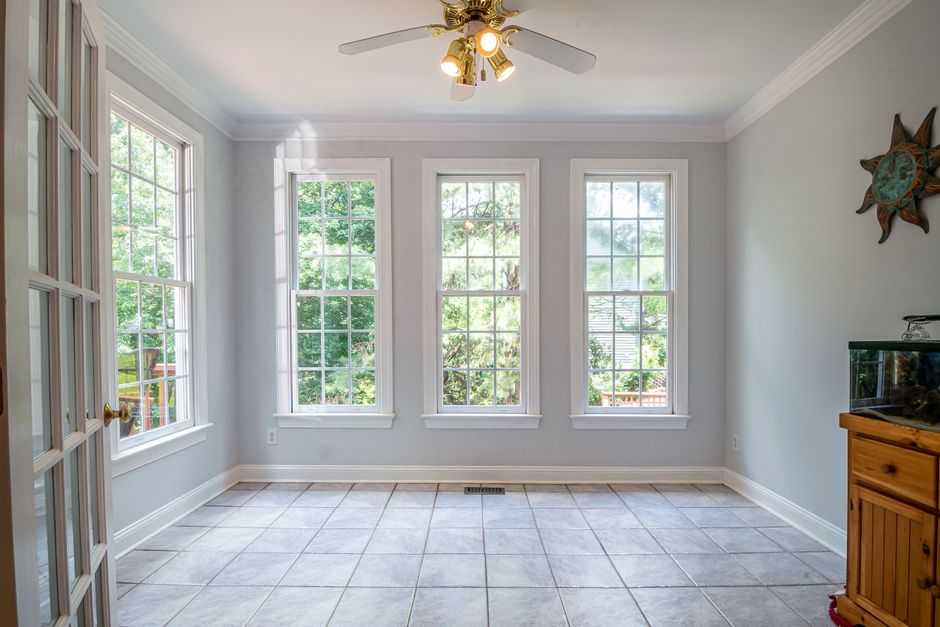
Interstate 5 runs the full north-south length of Carlsbad, and homes in neighborhoods that back onto the corridor hear a steady broadband roar. Much of that roar is low frequency: tire hum and truck rumble. Low frequency sound passes through glass and thin framing far more easily than the higher pitches of voices or birds.
This is why window upgrades help most against steady traffic noise and less against sudden peaks such as a motorcycle or a truck using engine braking. A window can soften the constant background. It cannot erase a sharp spike.
Read the right rating: OITC, not just STC

Most window labels show an STC rating (Sound Transmission Class). That number was built around speech-range sound. Traffic sits lower, so ask for the OITC rating (Outdoor Indoor Transmission Class) as well. OITC weights low frequencies more heavily, which makes it a better predictor of how a window will behave next to a freeway.
A high STC number alone does not guarantee good performance against low rumble. Ask the installer to show tested STC and OITC figures for the exact glass package and window style being sold, not for a different sample window. Sliders and casements from the same product line can test quite differently.
Glass choices that make a difference
Laminated glass
Laminated glass is the most effective glass upgrade for road noise. Two lites are bonded with a plastic interlayer, usually PVB or an acoustic grade interlayer. That layer damps vibration that would otherwise pass straight through the pane.
Unequal pane thickness
Matching panes resonate at the same frequency and let that band of sound through more easily. An insulated glass unit with different thicknesses on each side, or laminated glass on one side and plain glass on the other, breaks up that match.
Wider air space
Most standard dual pane units have a fairly narrow gap tuned for thermal performance. A wider air space helps sound control, especially at lower frequencies. Ask what spacer width the acoustic package uses.
Triple pane is not automatic
A typical triple pane unit is not necessarily quieter than a well designed dual pane unit with laminated glass. The extra pane often splits the air space into two narrow gaps that do little against low frequency noise.
Coatings and gas fill
Low E coatings and argon fill are there for heat and comfort. They are worth having for that reason, but they should not be bought expecting meaningful noise reduction. Adhesive window films also should not be counted on to block road noise.
Window style matters as much as glass
Air leaks carry sound, so how a sash seals can matter as much as what the glass is made of.
- Fixed (picture) windows seal best, since nothing moves.
- Casement and awning windows come next, because the sash clamps against compression seals when locked.
- Sliders and single hungs rely on brush or fin weatherstripping, which leaks more air and therefore more sound.
For a bedroom on the freeway side, a casement or a fixed unit with laminated glass is usually a stronger starting point than a slider.
The old aluminum slider problem
Many Carlsbad homes from the 1970s through the 1990s still have original aluminum sliding windows and aluminum sliding glass doors. Worn tracks and flattened pile weatherstripping on these are often the biggest sound leak in the room. Simply replacing them with tight fitting vinyl units can make a noticeable difference before any glass upgrade is considered.
Sliding patio doors on the freeway-facing side are frequently louder than any window, thanks to the large glass area and sliding seals. If the budget is limited, prioritize the patio door and the bedroom windows that face I-5.
A simple leak test for existing windows
On a breezy day, move an incense stick or a damp hand slowly around the closed sash and frame. Look for daylight at the meeting rails and corners. Anywhere air moves, sound moves. The results show which windows leak worst and should be replaced first.
Installation can make or break the result
A quiet window installed badly is a loud window. Three details deserve attention in a stucco home.
Retrofit or fin frames
Most Carlsbad homes have stucco exteriors, so many replacements are done as retrofit inserts or with flush fin (stucco fin) frames that avoid tearing out stucco. A retrofit leaves the old frame in place, and the joint between old and new frame must be fully sealed. Otherwise it becomes a new path for sound to flank around the glass.
The perimeter gap
The gap between the window frame and the rough opening should be filled with low expansion window and door foam or backer rod, then finished with a quality flexible sealant inside and out. Hollow or partly filled gaps act like a drum and carry sound around the glass. Foam or caulk by itself will not soundproof an opening; it is one part of a sealed assembly.
Frame construction
Vinyl frames have hollow chambers. Ask whether the chambers are reinforced or foam filled on the acoustic product line. A stiffer, better damped frame resists vibrating along with the glass.
Plan for closed windows
Sound control only works with the windows shut. Coastal Carlsbad's mild marine climate means many households rely on open windows instead of air conditioning. Plan how the home will get fresh air and stay cool with windows closed, or the upgrade goes unused on the nights it matters most.
Homes near the railroad as well
The rail corridor carrying Coaster and Amtrak trains runs near the coast through Carlsbad Village. Homes between the tracks and the freeway may be dealing with two sources. Train rumble is even lower in frequency than tire noise, so laminated glass with a wide air gap matters more there.
Keep the windows performing
Salty marine air does not harm vinyl, but it corrodes cheap steel hardware, lock keepers, and screws. Corroded or loose locks stop sashes from pulling tight against their seals, and noise control drops. Specify stainless or coated hardware and check the locks each year.
Coastal sand and grit also build up in sliding window and door tracks. Keep tracks clean and weep holes clear so panels close fully, and replace weatherstripping once it flattens or tears.
If the room is still loud
Windows are only one path into a room. If a freeway-facing room stays noisy after the upgrade, check these next:
- Attic vents
- Exterior doors with worn sweeps
- Fireplace flues
- Wall mounted AC units
- Dryer and bath exhaust ducts
- Thin walls
Some low rumble will remain in a room that faces the freeway. A steady background sound such as a fan can mask what is left.
Questions to ask before ordering
- What are the tested STC and OITC numbers for this exact glass and style?
- Is the glass laminated, and are the pane thicknesses unequal?
- How wide is the air space in the acoustic package?
- Are the vinyl frame chambers reinforced or foam filled?
- How will the perimeter gap and any retrofit joint be sealed?
- Is the hardware stainless or coated for coastal air?
Clear answers to these tell you whether a window is built for Interstate 5 or simply built to a price.

Nearby Service Areas
We also cover window replacement austin, tx in Austin, TX.